
Do you take a seasonal approach to maintenance and upkeep when it comes to your HOA in Albuquerque?
We strongly recommend it.
Seasonal maintenance is essential because it aligns preventative care with the unique challenges each season brings. Instead of reacting to problems after they occur, HOAs can address risks before they become costly repairs.
Breaking maintenance into seasonal tasks makes the process more manageable, budget-friendly, and predictable. It ensures that irrigation systems are checked before summer heat, roofs are inspected before monsoons, and pavement is protected before winter freeze–thaw cycles. This structured approach not only extends the life of community assets but also creates a clear, organized maintenance plan that residents can understand and trust.
Preparing your Albuquerque HOA for seasonal changes is essential to protecting your community’s assets and staying ahead of the city’s dynamic, high-desert climate. A proactive, season-by-season approach ensures your HOA can plan effectively, prevent costly damage, and keep the community safe and attractive year-round.
Let’s take a look at what each season demands so that your local HOA board can make smarter decisions, stretch budgets further, and strengthen homeowner confidence in the association’s long-term stewardship.
Quick Summary:
|
Albuquerque’s Unique Climate and How it Impacts Seasonal Maintenance
Albuquerque’s unique weather patterns and dramatic seasonal shifts play a significant role in how homeowners and HOAs must approach property maintenance. Located at a higher elevation and influenced by desert and mountain climates, the city experiences a blend of conditions that can be both beautiful and challenging. Understanding this climate is essential for developing a proactive, seasonal maintenance plan that protects shared assets, preserves property values, and prevents costly repairs.
Winters in Albuquerque tend to be cold and dry, with nighttime temperatures often dipping below freezing. While heavy snowfall is not common in most parts of the city, periodic snow, ice, and freeze–thaw cycles can damage pavement, roofs, and irrigation systems. HOAs must be prepared to winterize exposed pipes, monitor walkways for ice hazards, and ensure that community infrastructure is resilient to sudden cold snaps.
Spring brings sharp temperature swings and strong winds. These winds carry dust, pollen, and debris that can clog gutters, coat windows, and place extra wear on HVAC systems. It’s also the beginning of wildfire season in surrounding areas, which means communities with open space or xeriscaping should clear dead vegetation and inspect defensible zones. Spring’s unpredictable weather makes it an ideal time for HOAs to conduct inspections and address small issues before summer heat intensifies them.
Summers are hot and sunny, with intense UV exposure that can quickly deteriorate roofing materials, fencing, stucco, and paint. While Albuquerque is known for its dry heat, monsoon season typically arrives in July and August, delivering sudden, heavy rains. These storms can overwhelm drainage systems, flood low-lying areas, and erode landscaping. Proper grading, drainage maintenance, and roof inspections are critical during this season.
Fall offers cooler temperatures and calmer weather, making it one of the best times for preventative maintenance. It’s an ideal window for resurfacing pavement, repairing irrigation systems, inspecting roofs, and preparing for winter.
By understanding Albuquerque’s climate and seasonal cycles, HOA boards can better anticipate maintenance needs, budget effectively, and protect their communities year-round.
Seasonal Changes in Fall: Preparing Your Albuquerque HOA
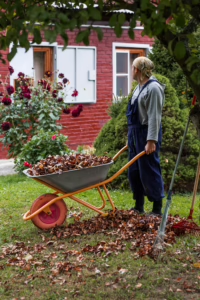 As the intense summer heat fades and before winter’s weather arrives, fall is the ideal season for preventative maintenance, long-term planning, and ensuring that shared assets remain in top condition. By approaching autumn maintenance proactively, Albuquerque HOAs can protect their infrastructure, avoid costly emergency repairs, and keep residents safe and comfortable throughout the winter.
| Autumn Inspections
The extreme summer sun in Albuquerque can cause roofs, stucco, paint, and asphalt to deteriorate faster than in cooler climates. Autumn’s moderate temperatures make it a perfect time to check for sun-related damage such as cracked roofing materials, faded paint, or brittle caulking around windows and doors. Early detection allows the HOA to schedule repairs before winter temperatures make materials harder to work with and before small issues develop into major problems. |
Landscaping and Irrigation
As the growing season ends, HOAs should trim back plants, remove dead vegetation, and ensure that trees are healthy and stable. High-desert environments can stress trees and shrubs, making them more susceptible to breakage when winter storms arrive. Irrigation systems should be inspected for leaks and properly winterized to prevent pipes from freezing. Even though Albuquerque winters are relatively mild, overnight freezes are common, meaning irrigation lines, backflow preventers, and exposed pipes are vulnerable if not prepared. |
| Clear and Maintain Drainage
Monsoon rains may have pushed debris into gutters, channels, and storm drains. Clogged drainage becomes a risk when winter precipitation arrives, and freeze–thaw cycles can worsen blockages and cracking. Cleaning gutters and inspecting grading around the property helps ensure that water flows away from buildings and doesn’t pool around foundations or walkways. |
Check Pavement and Concrete
Cracks in sidewalks, curbs, or parking lots can expand during winter freezes. Sealing asphalt, repairing cracks, and addressing trip hazards now can extend the life of paved surfaces and prevent accidents. Albuquerque’s cold nights and dry, sunny days put stress on pavement, so fall is the ideal time to reinforce these surfaces. |
| HVAC Readiness: From Cooling to Heating
Heating units, boilers, and furnaces should be serviced before cold weather sets in. Air filters should be replaced, thermostats checked, and systems tested to ensure they are functioning efficiently. A surprise system failure during a cold snap can be expensive and disruptive, especially in communities with elderly residents or shared facilities. |
Seasonal Communication Strategies
Sharing a seasonal maintenance update builds trust and shows homeowners how the board is preparing for winter on their behalf. Inform residents about irrigation shut-offs, scheduled repairs, and safety reminders such as reporting icy walkways or preparing their own pipes and landscaping for cold weather. |
We encourage HOAs to embrace autumn as a season for proactive care. In our experience, Albuquerque HOAs can safeguard their communities, budget more effectively, and approach winter with confidence when they pay attention to these details. Taking the time now to address maintenance needs will pay off in fewer emergencies, happier residents, and a smoother transition into the colder months ahead.
Winter is Coming: Keeping Your HOA Warm
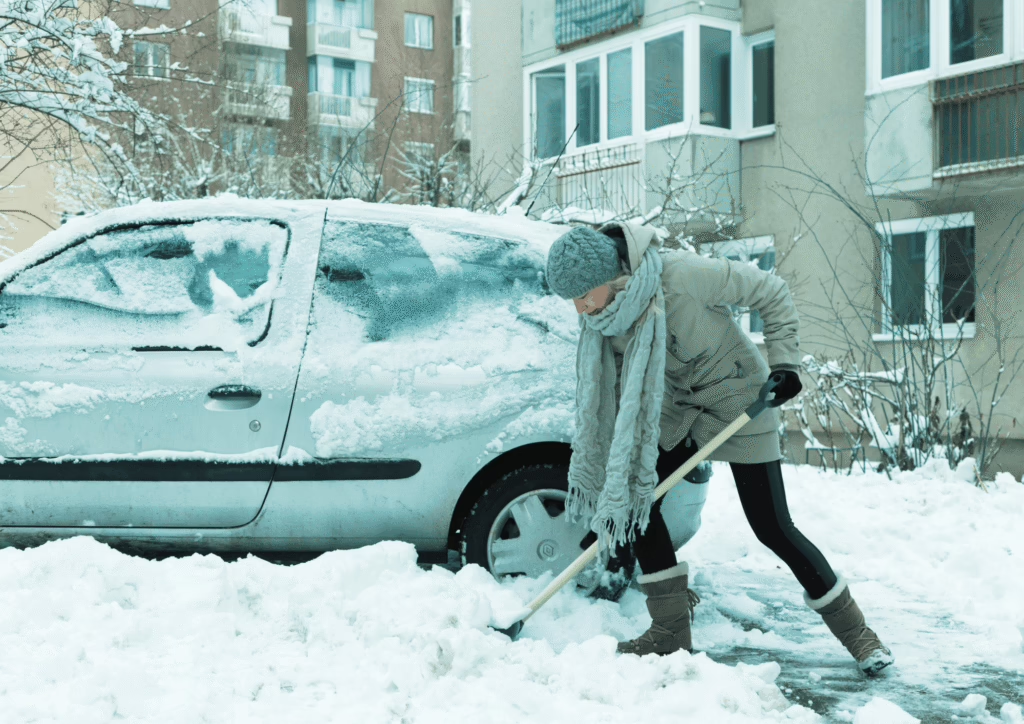
Winter in Albuquerque brings its own set of challenges for homeowners associations.
- One of the most critical areas for winter maintenance is walkways, sidewalks, and parking areas. Even light frost or ice can create slip hazards for residents and visitors. Boards should ensure that snow and ice removal equipment or contracts are in place, and that materials like sand or non-damaging de-icers are readily available. Regular inspections should be conducted during the season to identify icy spots, cracks, or uneven surfaces that could worsen under freeze–thaw conditions. Timely repairs prevent accidents, reduce liability, and help residents feel safe navigating community areas.
- Roofing and drainage systems are another priority. Although Albuquerque doesn’t typically see heavy snow, ice can accumulate in shaded areas, gutters, and downspouts. Boards should check roofs for damage, clean gutters of leaves and debris, and verify that downspouts direct water away from foundations. Standing water can freeze, creating hazards or damaging building materials, while clogged gutters can lead to leaks or erosion. Addressing these issues early ensures the community’s infrastructure remains intact and prevents costly repairs later.
- Winter is also a crucial time for irrigation and landscaping maintenance. HOA-managed irrigation systems should be fully winterized to prevent pipe freezes, broken valves, and costly water damage. Trees and shrubs should be inspected for dead or weak branches that could break under frost or strong winds. Taking these steps not only protects the property but also maintains the aesthetics of the community and prevents potential hazards to residents or parked vehicles.
- Heating systems and indoor facilities require attention as well. Common area heating units, boilers, and HVAC systems should be inspected and serviced before and during the cold months. Replacing filters, checking thermostats, and ensuring that all equipment is functioning properly helps prevent breakdowns that could leave residents uncomfortable or, in some cases, at risk. Emergency service contacts should be readily available, and any issues should be addressed promptly to maintain comfort and safety.
Finally, communication throughout the winter is key. HOAs should keep homeowners informed about ongoing winter maintenance, including schedules for sidewalk clearing, roof inspections, or water shut-offs. Providing tips for residents, such as insulating exposed pipes, checking smoke and carbon monoxide detectors, and reporting hazards, enhances community safety and fosters a sense of shared responsibility.
By taking a proactive, preventative approach to winter maintenance, Albuquerque HOA boards can protect property, reduce emergency repairs, and ensure that residents remain safe, comfortable, and confident in their community.
When Spring Has Sprung: Seasonal HOA Care As the Weather Warms Up
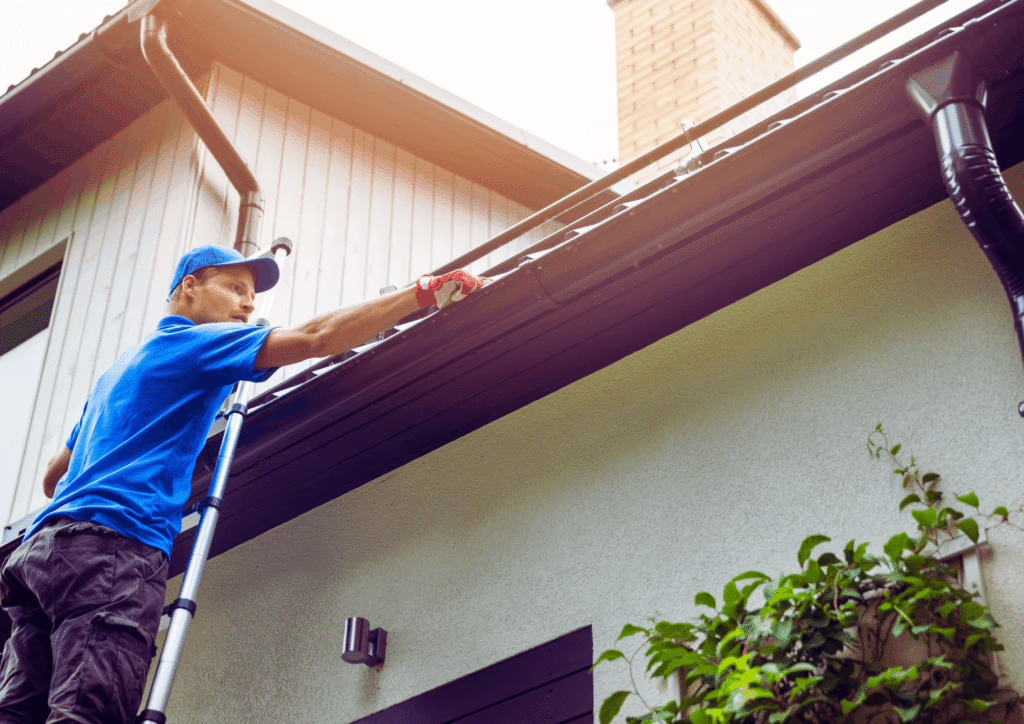
Spring is a pivotal season for HOAs in Albuquerque. After the long winter months, communities face the task of assessing any damage caused by cold nights, freezing weather, and winter storms, while preparing for the growing season and warmer weather ahead. For HOA boards, spring presents the perfect opportunity to implement a structured seasonal maintenance plan that protects property, preserves community aesthetics, and ensures residents enjoy safe, well-kept surroundings.
Spring Priorities
| Landscaping and Outdoor Spaces
One of the first priorities in spring is landscaping and irrigation systems. Winter can leave trees, shrubs, and lawns stressed or damaged. Boards should inspect the community for dead branches, damaged plants, and signs of disease or pest activity. Pruning trees and shrubs not only improves appearance but also reduces safety hazards and supports healthy growth. Irrigation systems should be inspected and turned back on, with valves, pipes, and sprinkler heads checked for leaks, clogs, or winter damage. Ensuring proper operation early in the season conserves water, reduces long-term maintenance costs, and keeps landscaping vibrant throughout the spring and summer. |
Pavement and Hardscape Inspections
We’re looking at the ground again, but this time with an idea of what kind of havoc winter weather may have caused. Sidewalks, curbs, parking lots, and pathways can suffer cracks, settling, or erosion over winter. Boards should identify and repair issues before they worsen under spring rains or summer heat. Resurfacing or sealing asphalt and addressing trip hazards also enhances safety for residents and visitors, while preserving property values. |
| Roofing Maintenance and Exterior Condition
Winter storms can cause damage to shingles, tiles, or gutters, and spring is an ideal time for inspections and minor repairs. Clearing gutters of debris, checking downspouts, and repairing minor roof damage helps prevent leaks, foundation issues, and water intrusion during spring rains or monsoon season. Exterior paint, stucco, and siding should also be reviewed for cracks, chips, or fading, addressing issues before the intense summer sun accelerates deterioration. |
Review Facilities and Amenities
Spring is also a time to review community facilities and amenities. Pools, playgrounds, and common areas may need cleaning, repairs, or safety inspections before residents start using them more frequently. HVAC systems in shared buildings should be serviced in advance of warmer weather to ensure efficiency and comfort. |
We again remind HOAs to be mindful of their communication strategies with homeowners. Sharing spring maintenance plans, including schedules for landscaping work, repairs, or common-area improvements, builds trust and encourages community engagement. Providing tips for residents such as how to maintain their own landscaping or report potential issues encourages cooperation and proactive problem-solving.
By tackling preventative maintenance in spring, HOA boards in Albuquerque can safeguard the community, minimize costly emergency repairs, and create a welcoming, safe environment for residents. A well-organized spring maintenance plan sets the stage for a smooth, low-stress year, helping boards stay ahead of seasonal challenges and keeping the community in excellent condition.
Let’s move on to summer!
Summer in Albuquerque: What HOAs Need to Do
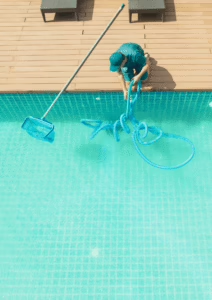 Summer in Albuquerque brings intense sunshine, high temperatures, and the onset of the monsoon season. For HOA boards, these conditions present both opportunities and challenges when it comes to maintaining community properties. Summer is the perfect time to implement these preventative maintenance strategies that protect property values, enhance curb appeal, and keep residents safe and comfortable throughout the season.
- Landscaping and irrigation looks different in the summer. Albuquerque’s dry heat can be damaging. It stresses lawns, trees, and shrubs. And then the summer monsoons bring sudden heavy rain that can cause erosion or water pooling. HOA boards should ensure that irrigation systems are functioning properly, adjusting schedules to provide sufficient hydration without wasting water. Inspecting sprinkler heads for leaks or misalignment can prevent dry patches and overwatered areas. Mulching planting beds, trimming overgrown shrubs, and fertilizing lawns in early summer helps maintain vibrant curb appeal while reducing the risk of plant stress or disease. Healthy landscaping not only enhances aesthetics but also protects the community from erosion and minimizes costly repairs later.
- Consider what the intense heat will do to your pavement and parking lots. High temperatures and prolonged sun exposure can cause asphalt and concrete to crack or warp. Boards should inspect sidewalks, parking lots, and curbs for damage and make minor repairs as needed before it worsens. Pressure washing sidewalks, driveways, and retaining walls not only improves appearance but also reduces buildup of debris, mold, or dirt that can accelerate deterioration. These efforts preserve property value and help maintain a clean, welcoming environment for residents and visitors.
- Summer is also a good time to inspect roofs, gutters, and exterior surfaces. UV exposure can accelerate fading or degradation of roofing materials, paint, and stucco. Clearing gutters of debris, checking for damage to downspouts, and repairing small issues proactively can prevent water damage during sudden monsoon rains. Similarly, inspecting fences, gates, and community signage ensures that all elements of the neighborhood remain functional and visually appealing.
- How do your common areas and community amenities look? Pools, playgrounds, and clubhouses see heavy use during warmer months, so regular inspections, cleaning, and maintenance are essential. Ensuring that lighting, safety features, and surfaces are in good condition keeps residents safe and enhances the overall experience of shared spaces.
Put together schedules for landscaping, pavement repairs, and irrigation adjustments so that you’re not trying to catch up as the summer winds to an end. This is a good time to work on conserving water. Talk to residents about protecting the grass and landscaping from sunshine and sun damage.
Can We Help?
We are here to help your community plan and execute seasonal maintenance efficiently and effectively. From spring landscaping and irrigation start-ups to summer heat preparation, fall inspections, and winter winterization, we provide expert guidance on prioritizing tasks, budgeting for projects, and coordinating contractors. Our team ensures that maintenance schedules are organized, preventative measures are implemented, and homeowners are informed every step of the way.
Planning ahead and addressing seasonal risks systematically helps maintain property values, strengthen trust between the board and homeowners, and create a smoother, more manageable set of seasons for everyone. Contact us at Blue Door Realty. We provide residential management support as well as HOA management in Albuquerque.
