

Is your HOA ready for a greener and more sustainable future?
As both the local and the global conversations around climate change and sustainability continue to evolve, more and more communities are looking for ways to reduce their environmental footprint. But how can homeowners associations (HOAs) in Albuquerque, where desert landscapes meet urban sprawl, help create a more sustainable way of living while maintaining the character and quality of life that residents value?
The good news is that creating a greener, more sustainable community doesn’t have to be a monumental challenge.
In fact, with the right strategies, your HOA can lead the way in transforming your neighborhood into an eco-friendly community that demonstrates leadership and vision. From energy-saving initiatives and water conservation to waste reduction and sustainable landscaping, there are numerous steps you can take to ensure your HOA is not only helping the planet but also saving money and boosting property values in the process.
As a local property and HOA management company in Albuquerque, we’re invested in the idea of making our communities more livable. And today, we’re exploring practical, actionable strategies that HOAs in Albuquerque can implement to make green living a central part of their operations. Whether you’re just starting to think about sustainability or you’re already on your way to building a greener neighborhood, these tips will help you get there and inspire residents to embrace a more sustainable future together.
Quick Summary:
|
Green Living is in Demand Among Homebuyers and Residents
Sustainability is about much more than climate change and environmental awareness. It’s about lowering energy costs and feeling good about where we live. As the social and financial impacts of waste and over-consumption grow, more homebuyers and homeowners are actively seeking out properties and communities that align with their values of green living. From energy-efficient homes to eco-conscious neighborhoods, the demand for sustainable living options is at an all-time high.
For homebuyers, the desire for green features goes beyond just having a solar panel on the roof. Buyers are increasingly looking for homes that offer energy efficiency, water conservation, and minimal environmental impact. They want to live in a community that offers and supports environmental sustainability. A house with smart thermostats, high-quality insulation, and energy-efficient appliances isn’t just attractive for its sustainability. It’s attractive because that home will likely lead to long-term savings on utility bills.
And it’s not just individual homes that buyers are after; entire communities that prioritize sustainable living are now on the radar. Neighborhoods with access to walking trails, bike-friendly infrastructure, and green spaces are more appealing than ever, as people seek to lower their carbon footprints while enjoying a healthier lifestyle.
For existing homeowners, they’re looking for support from their HOAs when it comes to sustainability. It’s about improving the efficiency and environmental impact of their current homes and neighborhoods. Many are opting to upgrade to energy-efficient windows, install water-saving landscaping, or retrofit their homes with more sustainable building materials. With rising utility costs and increasing awareness of resource depletion, these upgrades not only help reduce energy and water consumption but also enhance the value of the property.
As more buyers and homeowners make sustainability a top priority, HOAs that prioritize green living initiatives such as community recycling programs, energy-saving upgrades, and eco-friendly landscaping are positioning themselves to attract residents who are committed to preserving the environment. For both homeowners and communities, green living is no longer just a niche preference. We’ve found it’s a growing demand that benefits everyone.
Saving Energy in Your Albuquerque HOA

In Albuquerque, where temperatures can swing dramatically between the hot summers and chilly winters, energy costs can quickly become a significant concern for homeowners and HOAs. For sustainability purposes that also reduce costs community-wide, we recommend focusing on energy savings. This is one of the most impactful areas to target. Not only does this contribute to a greener environment, but it also lowers utility bills for residents and enhances property values.
Here are several practical strategies that Albuquerque HOAs can implement to save energy and reduce costs:
| Implement Energy-Efficient Lighting
One of the easiest and most cost-effective upgrades HOAs can make is switching out traditional incandescent light bulbs in common areas to energy-efficient LED lights. These bulbs use a fraction of the energy and last significantly longer. Additionally, installing motion sensors or timers in hallways, parking lots, and other shared spaces can prevent lights from being left on when not needed. These small changes can result in noticeable savings on electricity bills over time. |
Upgrade to Energy-Efficient Appliances
Many HOAs are responsible for the maintenance and operation of amenities such as pools, fitness centers, and clubhouses. These spaces often house energy-hungry appliances, such as HVAC systems, water heaters, and refrigerators. Upgrading to Energy Star-rated appliances can make a substantial difference in reducing energy consumption. For example, replacing outdated HVAC systems with more efficient models or investing in solar-powered pool heaters can lower energy bills for the entire community while also reducing the HOA’s carbon footprint. |
| Encourage Smart Thermostats for Individual Homes
While HOAs generally don’t have control over the individual units within a building, encouraging homeowners to install smart thermostats is an easy way to promote energy savings. Smart thermostats allow residents to better regulate heating and cooling, adjusting temperatures based on occupancy and time of day. Some HOAs may even consider offering incentives or discounts for homeowners who make the upgrade, which could help foster a sense of community and shared responsibility for energy conservation. |
Seal Leaks and Insulate Common Areas
Air leaks are one of the biggest culprits when it comes to energy inefficiency in homes and buildings. For an HOA, addressing this issue in common areas can be a highly effective strategy. Sealing gaps around windows, doors, and ducts in shared spaces can prevent heat loss in winter and keep cooling costs down in summer. Additionally, insulating walls, attics, and basements in common buildings can significantly reduce the amount of energy needed to maintain comfortable temperatures year-round. |
| Promote Solar Energy
Albuquerque is one of the sunniest cities in the U.S., making it an ideal location for solar energy. HOAs might encourage residents to explore the potential of installing solar panels on their rooftops, and consider offering bulk-purchase programs or partnerships with local solar providers to help homeowners save on installation costs. For community amenities, such as clubhouses, common laundry rooms, or pool houses, installing solar panels can directly offset energy consumption and provide a long-term, renewable energy source. |
Establish an Energy Efficiency Awareness Program
One of the most important things an HOA can do to encourage energy savings is to create awareness among residents. Organizing workshops or providing educational resources about energy conservation can empower homeowners to make more sustainable choices. Topics could include tips on reducing energy consumption, the benefits of energy-efficient appliances, and how to implement simple changes like unplugging devices when not in use. The more informed the community is, the more likely they will be to adopt energy-saving practices in their homes. |
By focusing on improving these systems, HOAs can ensure that common buildings use less energy while still providing residents with comfortable, functional spaces. These upgrades, though an investment upfront, pay off in the long run through lower energy costs, reduced wear and tear on systems, and the added benefit of an eco-friendly, sustainable community.
Conserving Water in Albuquerque Communities
 Water conservation is a top priority for Albuquerque, where the dry desert climate and limited water resources make efficient water usage essential. With the city facing recurring drought conditions and increasing pressure on the water supply, implementing water-saving initiatives within HOA communities is necessary and responsible. By focusing on water conservation, HOAs can reduce costs, minimize environmental impact, and promote sustainable living in their communities.
- Install Smart Irrigation Systems
One of the biggest areas where HOAs can conserve water is through their landscaping and irrigation practices. Traditional irrigation systems often waste water through runoff or overwatering. Smart irrigation systems, on the other hand, use weather data and soil moisture sensors to adjust watering schedules and amounts based on current conditions. This ensures that water is applied only when needed, significantly reducing waste. By retrofitting community common areas with these systems, HOAs can cut down on water usage while maintaining beautiful, healthy landscapes.
- Embrace Xeriscaping
Albuquerque’s arid climate makes xeriscaping, a water-efficient landscaping technique, an ideal solution for HOAs looking to reduce water consumption. Xeriscaping uses drought-tolerant plants, native vegetation, and efficient irrigation techniques to create lush landscapes that require minimal water. Instead of high-maintenance, water-intensive lawns, common areas can be transformed with rock gardens, native shrubs, and cacti that thrive in the desert environment. Not only does xeriscaping reduce water consumption, but it also lowers maintenance costs, making it an excellent long-term investment for HOAs.
- Encourage Water-Efficient Practices Among Residents
HOAs have a unique opportunity to promote water conservation not just in public spaces, but also within individual homes. Simple actions such as installing low-flow faucets, showerheads, and toilets can significantly reduce water use in each unit. HOAs can organize community workshops to educate residents on the benefits of these upgrades and even partner with local water providers to offer discounts or rebates for water-efficient appliances.
- Implement Rainwater Harvesting Systems
Albuquerque’s periodic rainfall can be harnessed through rainwater harvesting systems, which can be installed in common areas to collect rainwater for landscaping irrigation. Installing rain barrels or larger collection tanks in key locations allows HOAs to store and reuse rainwater, reducing reliance on the municipal water supply. This system can be particularly beneficial in community gardens or common green spaces, providing an eco-friendly alternative to using potable water for irrigation.
- Upgrade to Water-Efficient Appliances in Community Facilities
Many HOA-managed facilities, such as clubhouses, community centers, and fitness rooms, use large amounts of water for daily operations. Upgrading to water-efficient appliances, such as low-flow dishwashers, washing machines, and water-saving toilets, can significantly reduce water consumption in these shared spaces. These upgrades are often relatively inexpensive and can quickly pay off in reduced utility bills, while also contributing to the HOA’s overall sustainability goals.
By adopting these water-saving strategies, HOAs in Albuquerque can take meaningful steps toward creating a more sustainable, water-efficient community.
Waste Reduction and Responsible Trash
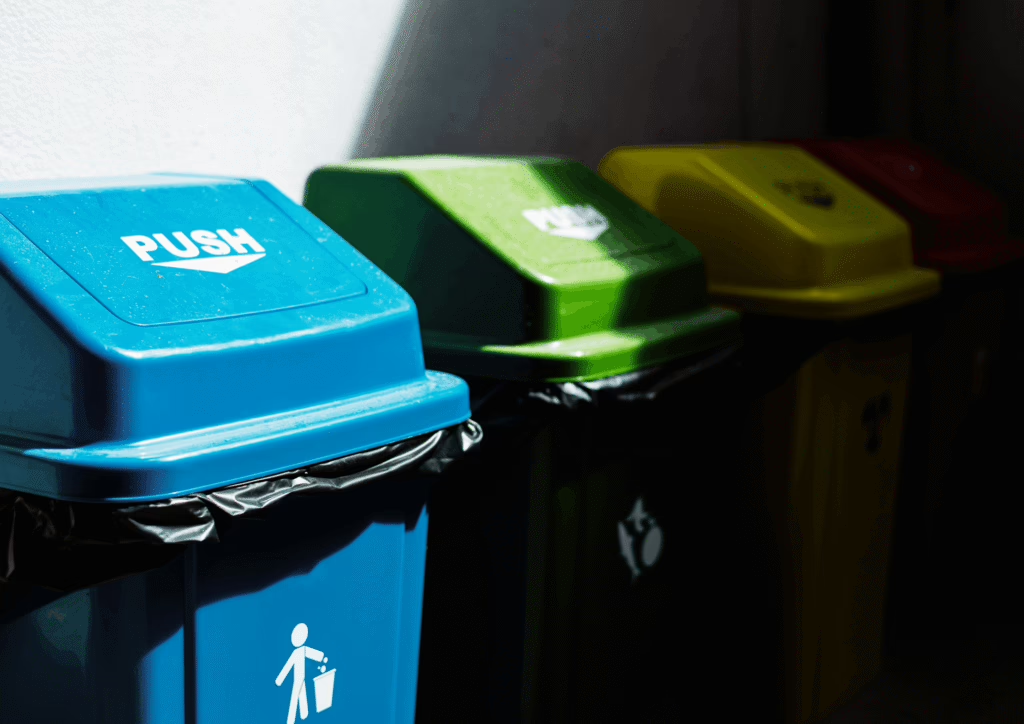
Effective waste management has a surprisingly large impact on building a greener, more environmentally responsible community in Albuquerque. With growing concerns over landfills and waste production, HOAs can play a pivotal role in reducing waste, encouraging recycling, and administering responsible trash practices. By implementing smarter waste management strategies, HOAs can help reduce their environmental impact while promoting sustainable living among residents.
| Introduce Recycling Programs
One of the most straightforward ways for HOAs to contribute to sustainability is by setting up or enhancing recycling programs in the community. Many residents are eager to recycle but may not have access to proper facilities or clear guidelines. By providing easy access to separate bins for paper, plastics, and metals in common areas or even at curbside, HOAs can make recycling simple and convenient for everyone. Clear signage and educational materials about what can and can’t be recycled will help reduce contamination and ensure that recyclables actually make it to the right place. |
Encourage Composting
In addition to recycling, composting is another way to reduce waste and improve the environment. Organic waste, like food scraps and yard trimmings, makes up a significant portion of landfill waste but can easily be composted to create nutrient-rich soil. HOAs can set up communal composting bins for residents to use, or even provide incentives for homeowners to start composting in their own yards. By turning waste into something beneficial, composting not only reduces landfill contributions but also promotes healthier, more sustainable gardening practices. |
| Reduce Single-Use Plastics
Another key element in waste management is reducing single-use plastics, which are harmful to the environment and often end up in landfills or polluting local ecosystems. HOAs can encourage residents to switch to reusable bags, bottles, and containers by hosting educational events or offering small incentives. Additionally, providing recycling bins specifically for plastic items in common areas or near community events can help ensure that these materials are properly disposed of. |
Offer Bulk Pickup and Donate Programs
Many HOAs find that large household items, such as furniture or electronics, often end up in dumpsters rather than being donated or recycled. Offering bulk pickup services or organizing annual community donation drives can help prevent these items from being discarded. Encouraging residents to donate gently used items to local charities or organizations also reduces waste and supports the community. |
By implementing responsible waste management strategies, HOAs in Albuquerque can not only help reduce waste and lower environmental impact but also create a more eco-conscious and connected community. Simple actions can lead to a more sustainable, cleaner neighborhood, benefiting both the environment and the quality of life for residents.
HOA Board Leadership and the Community Environment
The leadership role of an HOA board in introducing, establishing, and nurturing environmental sustainability and future preparedness is crucial. An HOA board has the unique opportunity to implement and enforce policies that guide the community toward more eco-friendly practices. This can include promoting energy-efficient landscaping, encouraging the use of solar panels, or introducing waste reduction programs such as recycling and composting initiatives. By setting guidelines for sustainable building materials and energy consumption, the board can help reduce the overall carbon footprint of the community.
Additionally, the HOA can lead by example by organizing community-wide educational efforts on environmental stewardship, supporting local green initiatives, and advocating for water conservation measures.
The board also plays a key role in future-proofing the community by considering long-term risks such as climate change and integrating flood mitigation, drought-resistant landscaping, and smart technology systems. In this way, the HOA not only improves the quality of life for residents but also ensures that the community is resilient and responsible in the face of evolving environmental challenges.
See this as an opportunity to make sure your community is modern, attractive, and sustainable to potential buyers and new residents.
The Benefits of Energy Savings for Your HOA
Adopting these energy-saving strategies not only helps lower utility costs, but it also enhances the value of your community and positions your HOA as a leader in sustainable living. By focusing on energy efficiency, HOAs in Albuquerque can contribute to a cleaner, greener environment while saving money. These are benefits that will be felt by residents for years to come.
Ultimately, the goal of any HOA is to create a comfortable, thriving community. By incorporating energy-saving initiatives, HOAs can provide lasting value to residents, create a sense of shared responsibility, and make a significant impact on the environment one energy-efficient step at a time.
Let’s talk more about this. Contact us at Blue Door Realty. We provide residential management support as well as HOA management in Albuquerque.
